
Creating alternative livelihoods is a crucial strategy for helping the rural poor escape poverty. As rural populations find it increasingly difficult to rely solely on subsistence agriculture for survival, they are compelled to pursue various occupations. This diversification not only aids in overcoming economic challenges but also broadens their livelihood opportunities, offering a pathway to come out of poverty.
The Livelihood projects are aimed at improving the economic conditions of Kolping members by supporting them with technical and financial assistance to initiate or diversify income generation activities which generate additional income for the family. As part of the Livelihood project, members undergo a series of training on entrepreneurship and skill trainings which enable them to generate business ideas and convert them into micro economic enterprises.
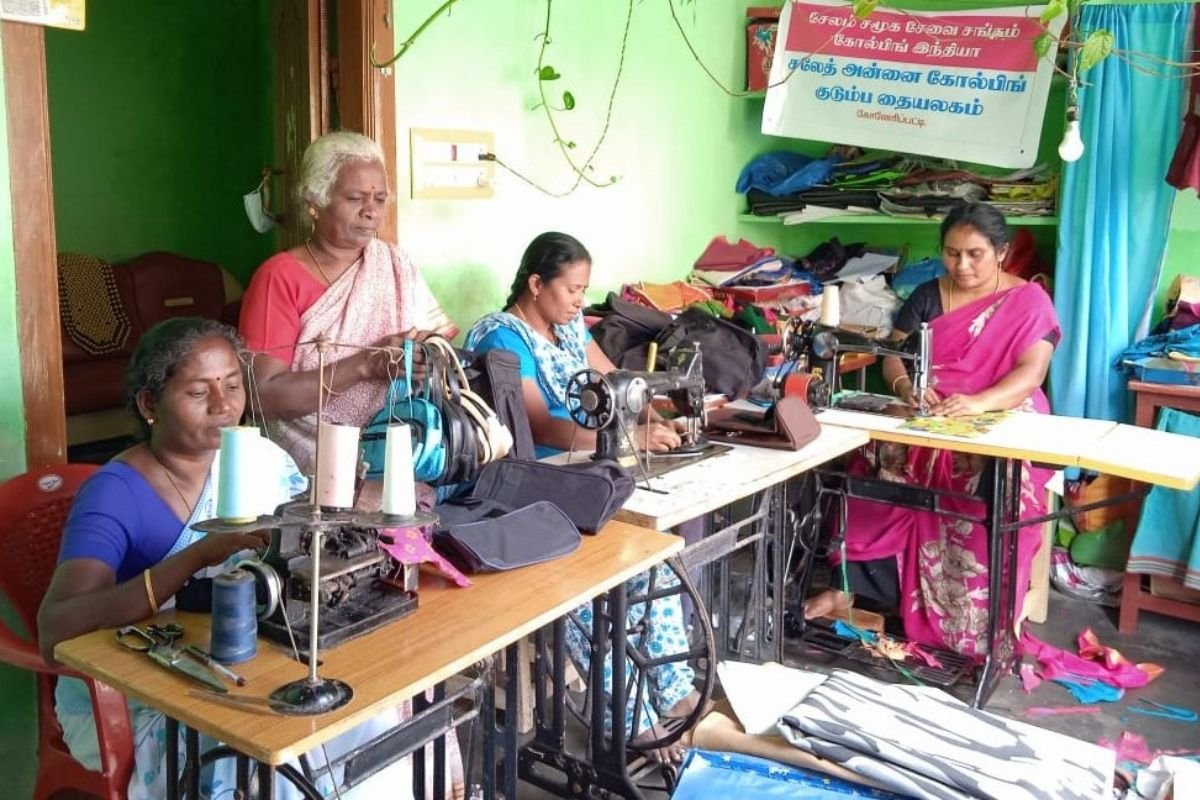
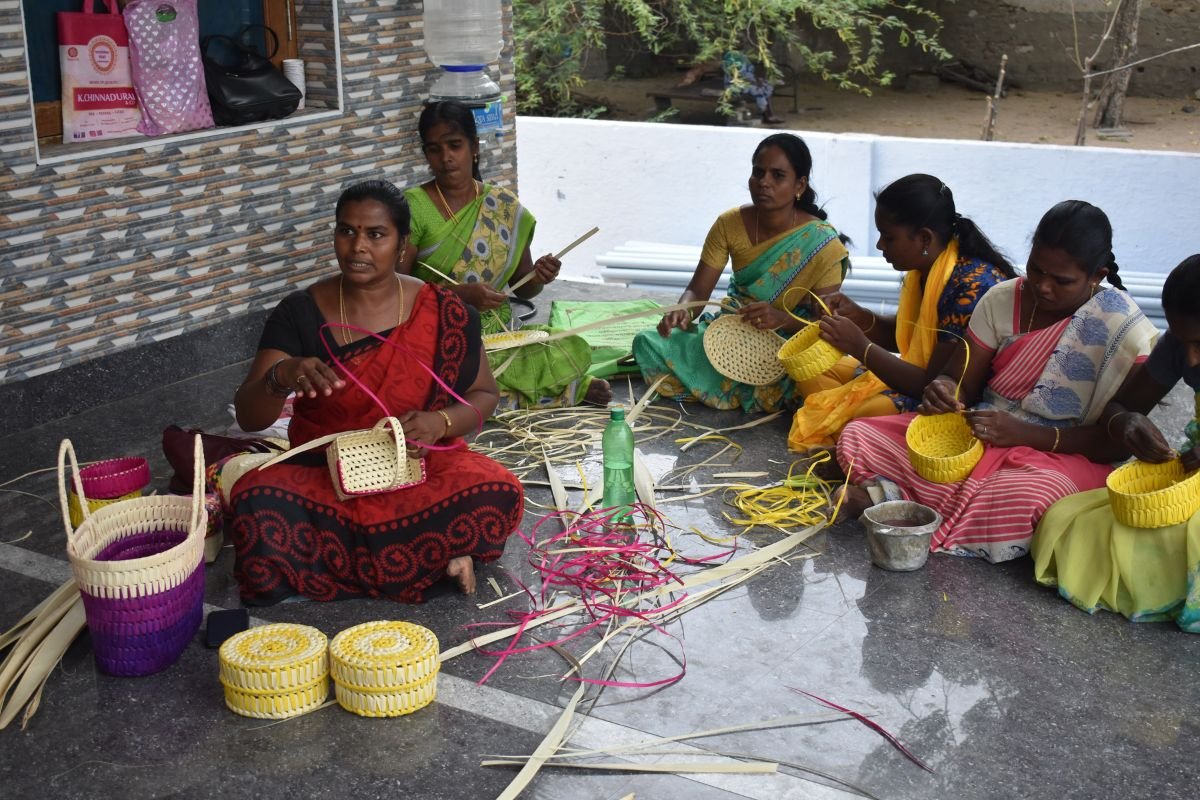
Individual income generation projects are small-scale context specific entrepreneurial ventures undertaken by Kolping members based on the local market demand and individual’s capabilities. The individual enterprises include producing value-added food products, retail businesses, tailoring and embroidery, small-scale agriculture, dairy farming, handicrafts, and service-based enterprises like automobile mechanic shop, beauty parlours etc. These activities not only enhance household income but also improves the position of women in family and society.
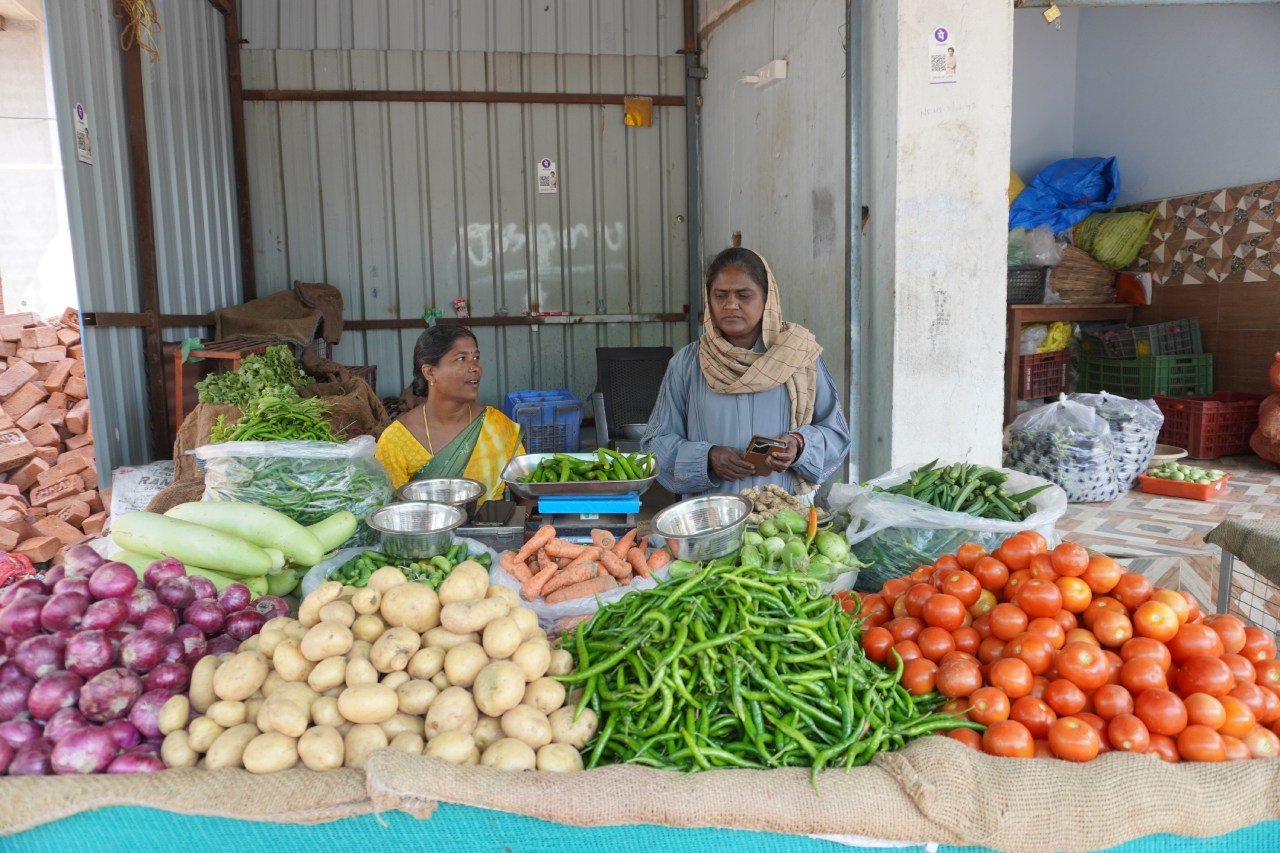
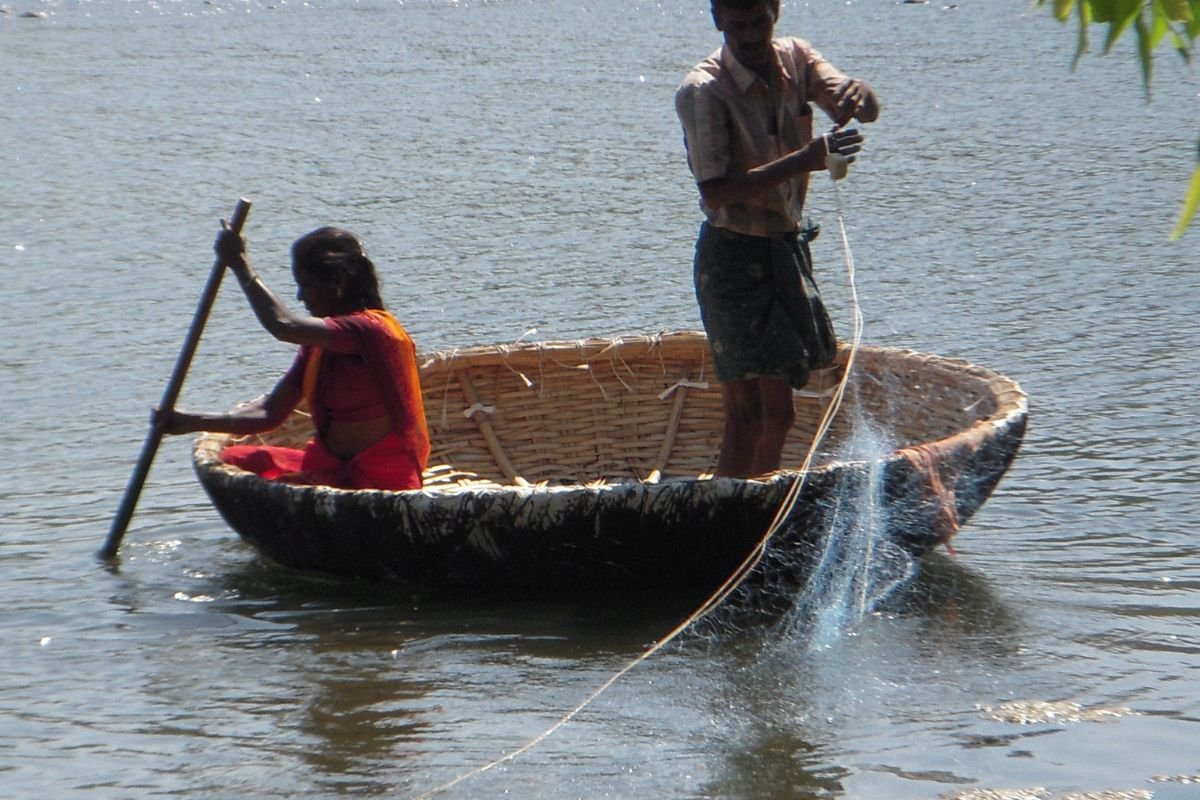
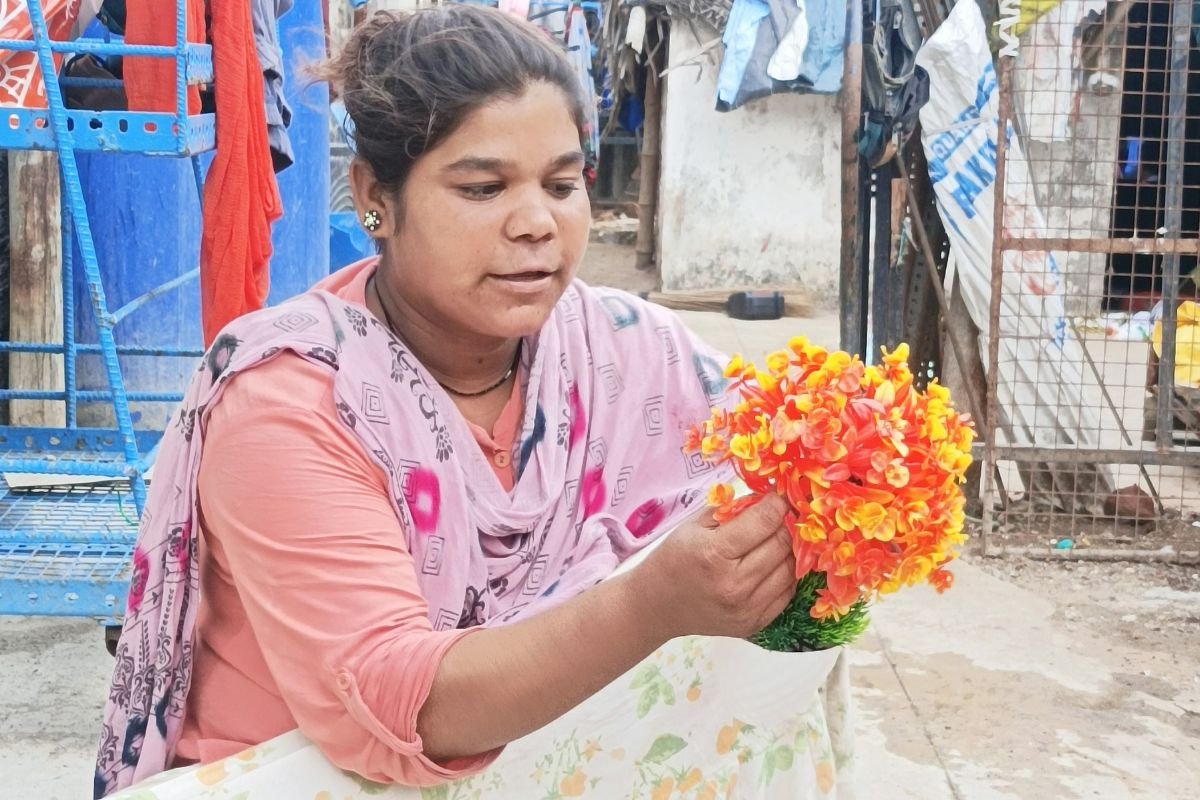
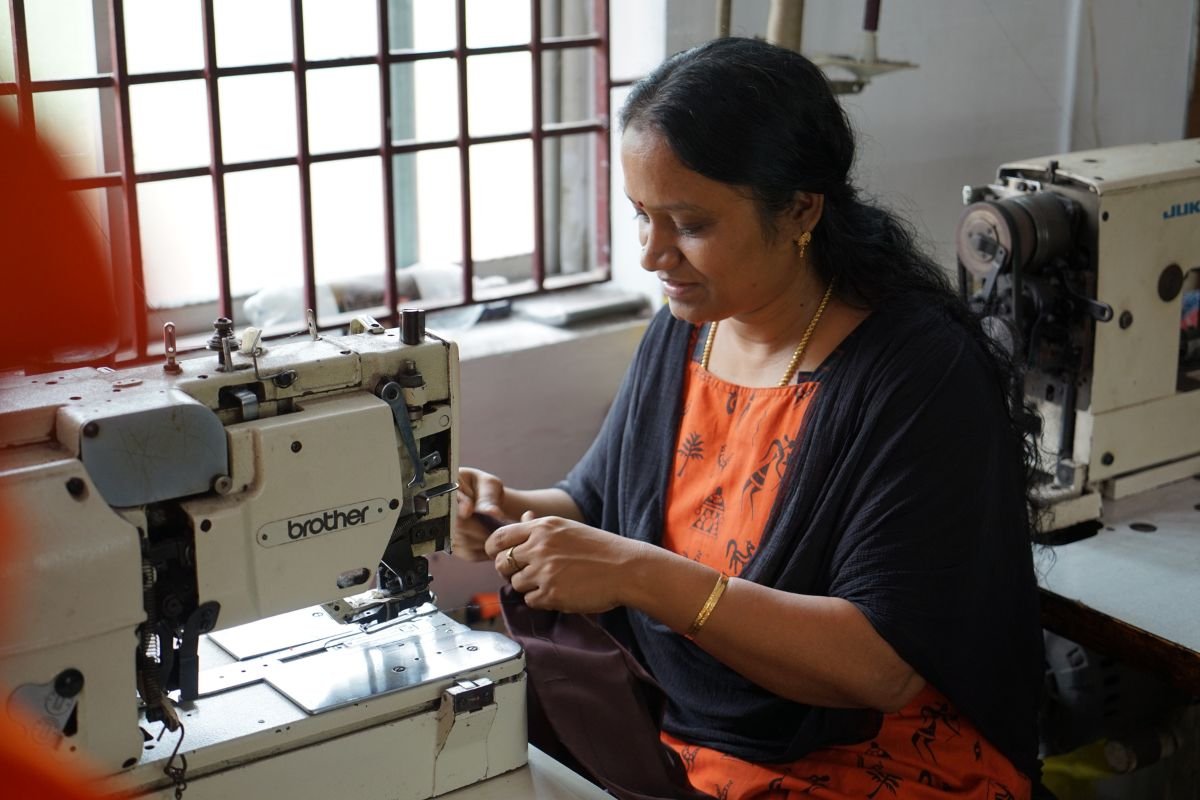
Collective income generation projects are designed to bring individuals together, leveraging their collective strengths, resources, and skills to create sustainable livelihood opportunities. Collective income generation activities develop a sense of unity, shared responsibility and mutual support, enabling members to overcome the limitations of individual.
The success of such initiatives often depends on capacity-building programs, access to financial resources, market linkages, and continuous mentorship. Kolping India play a crucial role in facilitating this project by providing training, technical support, and revolving funds to ensure sustainability. This effort is based on the assumption that the groups from the marginalized communities can break the cycle of poverty, gain economic independence, and contribute to the broader development of society if they work together collectively.
Collective income generation projects are more than just economic interventions; they are transformative tools that empower communities to take charge of their futures, fostering a sense of ownership, dignity, and hope. By working together, individuals can achieve what may seem impossible alone, creating a ripple effect of progress and prosperity for generations to come. Generally, a group comprising of 3 to 4 Kolping members jointly initiate income generation activities in which every person has equal stake in the venture in the form of contribution, participation and profit sharing.
Milch Animals plays an important role in the rural economy in supplementing the income of rural household particularly the landless, marginal and small farmers. This sector provides a major employment avenue for rural women, who do not have a regular income source. Kolping India supports women members to purchase and rear cow, goats and other milk animals to maximize their family income. Cow and goat rearing activity has been the most preferred livelihood among the Kolping members as it is proved to be a low risk. The milch animal in a household is seen as an advantage to generate additional income source and enrich the family nutrition with the milk and its bye-products related to milk animal rearing.


Powered by WordPress